
Just engaged? Cue the happy dances—and maybe a little bit of what do we do next?! panic. Don’t worry, we’ve got you! Green Wedding Shoes has been inspiring couples for years, and we’ve teamed up with top wedding pros and industry insiders to create the ultimate step-by-step guide to planning your big day. From budgeting tips to vendor must-knows, this foolproof checklist has everything you need to pull off the wedding of your dreams—minus the stress-induced meltdowns. Let’s do this!
The Complete Step by Step Wedding Planning Checklist

1: Plan Out Your Wedding Budget

Before you dive into selecting venues, vendors, or decor, starting with a solid wedding budget is essential. Establishing your financial plan upfront ensures that every decision you make from here on out is grounded in reality, keeping stress at bay and expectations aligned.
First, determine your overall budget
Start by having honest conversations with your partner to determine how much money is available. Once you know your total budget, it’s time to get into the details.
Next, identify key elements and vendors
Create a list of the elements and vendors you want to include on your wedding day. Common ones include a venue, a planner or day-of coordinator, catering, photographer, florist, officiant, cake or desserts, a DJ or band, a wedding dress (or bridal suit or jumpsuit), or a groom suit, ceremony decor, your wedding bands (we’ve rounded up our fave rings for women and for men), and the honeymoon.

Prioritize your must-haves
After listing everything, rank the items in order of importance. Knowing which aspects matter most to you and your partner will help guide your spending. For example, you might splurge on a photographer and caterer but save on decor or favors.
Research average costs in your area
Take time to look into average rates for vendors and services in your wedding location (or destination). While you don’t have to spend the average, it’s helpful to know what’s realistic. Set a range for each item based on your priorities, allowing you to spend more on high-priority items and save on less important ones.
Starting your wedding planning journey with a clear budget ensures every decision reflects your vision and financial comfort zone. It’s the foundation for a stress-free planning process!

Know exactly where your money is going. Our wedding budget breakdown makes planning stress-free.
2: Identify Who Will Contribute Financially (If Anyone)

Now that you have a budget you feel good about, it’s time to see if any other family or friends will be contributing. Any funds discovered during this phase are all gravy!
Some couples finance their wedding entirely on their own, but some lucky ones receive financial help from family or loved ones. Gone are the days when one side of the family was expected to cover all the costs—today, it’s all about what works best for you and your contributors.
Start with a conversation
Before diving deeper into planning, have open and honest discussions with any potential contributors to see if they’re willing and able to help. Be sure to ask for specifics—how much are they comfortable contributing? Are there any particular aspects of the wedding they’d like their funds to go toward?
Tie this step back to your vision
Loved ones offering financial support may want to know a bit about what you envision for your big day, which is where your wedding vision from Step 2 comes in handy. Sharing your ideas can help align expectations and ensure everyone feels included.
Why this step matters:
Knowing exactly how much financial support you’ll have sets the stage for maintaining the budget you created Step 1. It also helps avoid awkward surprises or misaligned expectations later in the process.
By identifying your contributors early, you’ll have a clearer picture of your total resources, giving you the confidence to move forward with planning every detail of your day.
3: Find Your Wedding Venue

The venue you select will inform other decisions, like decor, guest count, and even vendor selection.
How to Start Your Venue Search
- Get Inspired: If you’re open to any destination, we’ve curated an epic list of the coolest spots to get married for endless inspiration.
- Look Local: If you’re set on a specific area, think about weddings you’ve attended locally that left an impression. Reach out to those couples to ask about their experience with the venue—firsthand recommendations are invaluable.
This is the checklist step most people think about when sorting through how to plan a wedding! So how do you find the perfect place to say your “I do’s”? If you’re open to any destination, we’ve crafted an epic list of the coolest spots to get married.
Narrow Your Choices
Create a list of 3–5 venues you love, then schedule tours to see them in person. While photos and virtual tours are helpful, there’s nothing like walking the space to get a true feel for its vibe, flow, and suitability for your big day.
Questions to Ask During Venue Tours
Make the most of your visits by gathering critical information, including:
- What’s Included: Does the booking come with getting-ready spaces, tables, chairs, parking, or catering options?
- Vendor Flexibility: Can you bring in outside vendors, or are you required to work with a preferred list?
- Logistics: Do they have noise ordinances, guest count limits, or a commercial kitchen for caterers?
- Back-Up Plans: What are their accommodations for bad weather (e.g., tents), and are there additional fees?
- Policies: What are their cancellation and rescheduling policies?
- Booking Costs: How much is required to book, and is it a deposit or a non-refundable retainer?

Not able to visit your potential venues? We’ve got you covered with our guide to choosing a venue you can tour first!
4: Choose Your Wedding Date

Budget, check. Venue, check…..we’re making progress! Now let’s find you the perfect date and hope we can make it work with our venue. You’ll likely need to be flexible, so start by selecting an ideal season or month, then see what your venue has available and go from there.
Be thoughtful when selecting your date because it’s one of the most important decisions you’ll make—it’s the foundation for booking your vendors and locking in all your plans. Most vendors require a non-refundable retainer to secure your date, so it’s essential to have it set in stone before signing any contracts.
Why Your Date Matters
Changing your date after booking vendors can be tricky and costly. Many vendors, especially popular ones, book far in advance and may not accommodate date changes. Setting your date early ensures smooth planning and avoids potential scheduling conflicts.
How to Choose the Perfect Date
- Weather: Think about the climate at your wedding location during your chosen season. Do you envision a sunny spring celebration, a cozy winter wedding, or something in between?
- Guest Availability: Check with close family and friends to see when their schedules are most flexible. This is especially important if you’re planning a destination wedding.
- Budget-Friendly Options: If you’re working within a budget, consider weekday or off-season dates, which often come with significant discounts for venues and vendors.
5: Determine the Vibe of Your Wedding

Now that you’ve got a solid budget and a venue, we’re ready to begin getting creative! Let’s figure out the vibe of your wedding, what’s the story of your day going to look like?
Why does this matter?
Having a clear vision of what you want for your day will make it so much easier to stick to your budget and make decisions. Before diving into details, take time to dream big together (while being realistic, given your budget!). This step will help shape everything that follows, so be sure what you envision for your wedding reflects who you are as a couple.
Ask yourselves:
- Do you imagine a large, elaborate affair with all your friends, family, and acquaintances or a more intimate gathering with just your closest people?
- Is your vibe minimal and no-frills, letting the venue’s architecture or natural surroundings shine? Or do you see elaborate design elements, like suspended florals, a custom champagne wall, or an adorable mobile bar setup?
- Do you want to incorporate any cultural or family traditions into your celebration?

Visualizing Your Day
Answering these questions together will give you a clear picture of your priorities, style, and overall wedding scope. A vision that adheres to your budget will keep you both realistic and aligned with your goals. Without it, you might find yourself spending beyond your means or regretting choices that don’t reflect your style.
Why You Shouldn’t Skip This Step
Improperly visualizing your wedding is one of the biggest reasons couples go over budget. Clarifying what you truly want will help guide every decision, keep you on track financially, and make the planning process more intentional and enjoyable.
Your wedding vision is the blueprint for everything that follows, so take this moment to dream—and let the rest fall into place.

Still need inspo for your big day? Check out our fave trends of recent weddings we’ve featured, there’s 100% something for everyone!
6: Consider Hiring a Wedding Planner

If you’ve decided you don’t need a wedding planner, feel free to skip this step—but if the thought of coordinating your big day’s details feels overwhelming, a planner is exaclty what you need. We’re big fans of all the magic a good wedding planner can make happen!
Why hire a planner?
Wedding planners take the headache and guesswork out of the process, handling logistics, timelines, and vendor coordination so you can focus on enjoying the experience. Whether it’s sourcing vendors, creating a cohesive design, or keeping you on schedule and budget, a planner is like your behind-the-scenes superhero.
Not just a splurge
While it may seem like an extra expense, hiring a planner can actually save you money in the long run. Many planners have strong relationships with vendors, which can score you discounts or access to exclusive vendors who prefer working with professional planners. Plus, they’re skilled at sticking to a budget, ensuring you don’t overspend on unnecessary extras.
Options to suit your needs
Not ready for full-service planning? Consider a day-of coordinator who will oversee all the details on your wedding day, allowing you to relax and soak in every moment without stress.
For couples who want a smooth, stress-free planning process, hiring a planner can be one of the best decisions you can make. Let them handle the logistics so you can focus on what really matters—celebrating your love!

The reason we’ve put hiring a wedding planner so high up in our checklist for how to plan a wedding is that they can play a crucial role in helping you identify your wedding team (aka, all your vendors) and set the proper wedding budget (our next step!).
7: Decide on Your Wedding Dress Code

Repeat after us: Do NOT plan a wedding without first considering the formality. Your dress code sets the tone for every aspect of your day, from decor to rentals to attire—and it’s the key to creating a cohesive wedding style.
Why the Dress Code Comes So Early
Before diving into vendor bookings, budgeting, or design details, decide how formal or casual you want your event to be. Are you dreaming of a black-tie affair with elegant gowns and tuxedos? Or does a relaxed backyard celebration with semi-casual attire feel more your style?
What Your Dress Code Affects
The level of formality directly impacts:
- Decor Choices: Formal weddings may call for luxurious floral installations, while casual events lean toward rustic or minimalist accents.
- Venue and Rentals: Black-tie events might require upscale table settings and Chiavari chairs, while laid-back weddings can use bistro lights and farmhouse tables.
- Photography Style: Your dress code influences the overall aesthetic your photographer captures, whether it’s timeless elegance or relaxed, candid vibes.
Tying It to Your Budget
Your dress code will also be tied to your budget. A formal wedding often comes with higher costs for decor, attire, and rentals, while a casual event may allow for more flexibility and cost-saving options.
By locking in your dress code early, you’ll create a clear vision for your wedding day that informs every decision to come.
8: Make Your Guest List

Here’s the reality: your guest list drives most of your wedding costs. From the catering to the wedding cocktails to the chair rentals to the wedding favors to the DJ keeping the party going all night,
nearly every aspect of your budget is influenced by how many people you invite.
Why Your Guest Count Matters
If you’re wondering how to plan a wedding on a budget, your guest list is the first place to look. The more people you invite, the higher your costs. Conversely, trimming your guest list is one of the simplest ways to save money while keeping the quality of your wedding intact.
Timing is Everything
Nailing down your guest count early is essential. Many venues have guest capacity limitations, so you’ll need a rough estimate before you start touring locations or signing contracts. This step also impacts your catering headcount, table layouts, and even your invitation suite.
How to Finalize Your List
- Start Big: Write down everyone you and your partner could imagine inviting.
- Edit Strategically: Categorize guests into “must-have” (family, close friends) and “nice-to-have” (distant relatives, coworkers, acquaintances).
- Stick to Your Vision: Align your guest count with your wedding’s overall vibe and formality (from Step 5).
By deciding on your guest count early, you’ll have a clear roadmap for choosing your venue and allocating your budget effectively. Let this step guide the rest of your planning process with ease!
9: Choose Your Wedding Party

Your wedding party will be your go-to team, offering support, advice, and plenty of good vibes throughout the planning process. After finalizing your guest list, it’s time to think about who you want by your side on this journey.
How to Choose Your Wedding Party
Start by considering your closest friends and family—your ride-or-dies. These are the people who know you best and will cheer you on every step of the way. Bonus points for including anyone who has recently been in a wedding party or planned a wedding themselves, their experience can be a major asset as you navigate the ins and outs of planning.
We definitely recommend including people who have either gotten married recently or are familiar with the duties of being in the wedding party. Those types of friends and family will be super helpful in the wedding planning process.
Make It Official
Once you’ve decided who will be standing by your side, take a moment to make them feel special. We love the idea of sending a thoughtful gift to ask them to be part of your wedding party. Whether it’s a heartfelt note or a fun, personalized surprise, it’s the perfect way to kick off this exciting chapter together.
Need Ideas?
We’ve rounded up our favorite bridal party gifts and groomsmen gifts to make your “Will you be in my wedding?” moment extra meaningful.
Choosing your wedding party is about more than just tradition—it’s about surrounding yourself with love and support from the people who matter most. Take your time, make it meaningful, and get ready for the best crew to help you celebrate!

10: Book Your Wedding Photographer (And Plan for Engagement Photos!)

Want to know the secret to planning a wedding you’ll never forget? Hire an incredible wedding photographer whose photos will let you relive every special moment for years to come.
Why Booking Early is Key
Popular photographers book up fast, especially during peak wedding seasons, so securing your dream photographer early is essential. If you don’t have someone in mind, ask your wedding planner for recommendations—they often have a vetted list of talented photographers they’ve worked with before, ensuring a seamless experience on your big day.
Think Beyond the Wedding Day
If you’re planning to send out save the dates, consider a photographer who offers engagement sessions. Many photographers include this in their wedding packages or as an add-on. Engagement photos can be used not only for invitations but also for wedding websites or decor.
Timing is Everything
Book your photographer in time to schedule your engagement session, allowing room for edits and design.

For even more help finding your photographer, check out our step-by-step guide to finding the perfect wedding photographer!
Your wedding photographer will also work hand-in-hand with your wedding planner on your day-of timeline to ensure you get the best photos possible on the day you say your “I do’s.”
11: Plan & Schedule Your Wedding Attire Appointments

It’s one of the most exciting parts of wedding planning—finding the outfit! Now that you’ve nailed down your venue and dress code, choosing the perfect wedding look—whether it’s a dress, jumpsuit, bridal suit, or a sharp tux—will be that much easier.
How to Plan for Wedding Attire Shopping
- Wear the Right Shoes: Bring the heels, boots, or flats you plan to wear so you can see how they look with your outfit.
- Consider Alterations: Most wedding attire requires some tailoring, so factor that into your timeline.
- Shop with Your Venue in Mind: A grand ballroom wedding calls for different attire than a beachside elopement!
When to Buy Your Wedding Look
To ensure plenty of time for fittings and alterations, follow these recommended timelines:
- Custom-made wedding dress: 12+ months before the big day
- Made-to-order wedding dress: 8+ months before
- Jumpsuits and suits: 4+ months before
- Off-the-rack wedding attire: 3+ months before
On a Tight Timeline?
- Prioritize local boutiques to avoid international shipping delays
- Look for off-the-rack options that don’t require extensive tailoring
- Budget for rush alterations if needed
Weigh the pros and cons here, but as a general rule, we advise creating a plan to get your wedding clothes as soon as you’ve secured your venue and narrowed down your dress code for the day.

After you’ve found “the one,” you’ll want to think about what accessories go best with your look. Here are some of our favs:
- Wedding earrings – The perfect way to frame your face if you’re planning on sporting a wedding updo.
- Wedding necklaces – We especially love these for a dress that has a plunging neckline.
- Bridal purses – Because, let’s be honest, most dresses don’t have pockets.
- A swoon-worthy perfume or cologne – A scent that’ll remind you forever of the day you said your “I do’s.”
- Show-stopping watches – A stylish statement that doubles as a way to keep up with the wedding day timeline? We love to see it.
12: Plan Your Wedding Party’s Attire

Want a wedding your wedding party will love? Give them plenty of time to find an outfit that fits both your vision and their personal style. Whether you’re opting for mismatched dresses, coordinating suits, or something totally unique, setting expectations early will make the process smooth and stress-free.
If you’re letting your wedding party pick their own attire (hello, mismatched magic!), be super clear about color palettes, dress codes, and any must-have details so their choices align with your vision.
Your wedding party will be in plenty of photos and videos, so taking the time to coordinate their look will ensure everyone feels confident and cohesive on the big day!
How to Plan for Wedding Party Attire
- Set the Aesthetic: Decide on colors, formality, and any style preferences before your wedding party starts shopping
- Give Them Time: The earlier they start, the better—especially for made-to-order or custom-fitted pieces
- Think About Florals: Bouquets, boutonnieres, or floral accessories should complement the overall wedding party look

Not sure where to start? We’ve rounded up our fav places to find the perfect dress for your “I do” crew. Prepare to be obsessed.
Wedding Party Attire Timeline
- Made-to-order dresses & suits: Order at least 6 months before the wedding
- Off-the-rack outfits: Buy 4+ months in advance to allow time for alterations
- Final Alterations: Plan for 2 months before the wedding to ensure a perfect fit
13: Create Your Wedding Registry

Amid all the wedding planning details, don’t forget about the “after”—your life together as a married couple! Your wedding registry is more than just a wish list—it’s a chance to set yourselves up for your future, whether that means upgrading your home, funding your honeymoon, or adding experiences you’ll cherish forever.
What Kind of Registry Fits Your Lifestyle?
- Already living together? Consider a honeymoon fund, cash registry, or experience gifts (hello, cooking classes & wine tastings!)
- Moving in after the wedding? This is your chance to build your dream home—time to add that KitchenAid stand mixer, cozy linens, or stylish dinnerware
- Want a mix of everything? Many registry sites let you combine home goods, travel funds, and even charitable donations in one place
How to Get Started
- Pick the Right Registry: From all-in-one sites to niche retailers, find the best fit for your needs. (We’ve rounded up our favorite registry sites for every type of couple!)
- Register Early: Guests may want to shop for engagement parties or showers, so get your list up at least 6 months before the wedding.
- Include a Range of Price Points: Give guests options, from small gifts to big-ticket items.
- Make It Easy for Guests: Add your registry details to your wedding website and invitations.
Your registry should reflect who you are as a couple—whether that means travel, home essentials, or something totally unique. And hey, there’s nothing wrong with adding a few splurge-worthy items, too!
14: Reserve a Room Block at a Nearby Hotel

It’s time to lock in a hotel block for your guests (and maybe yourself). Most hotels offer discounted group rates, making staying close to the festivities easier for everyone.
Why Reserve a Hotel Block?
- Convenience: Guests have a guaranteed place to stay near the venue
- Better Rates: Group discounts make accommodations more affordable
- Easier Logistics: If you’re providing transportation, it’s best when everyone stays in one place
15: Create Your Wedding Website

Your wedding website is essential for keeping guests in the loop. Think of it as the one-stop shop for all things wedding day!
What to Include on Your Wedding Website
- Venue & Hotel Info: Link to your reserved room block
- Ceremony & Reception Timeline: So guests know where to be and when
- Local Recommendations: Restaurants, activities, and travel tips
- Registry Links: Make gifting easy!
- Online RSVPs: Skip the snail mail and collect responses digitally
16: Book Your Key Wedding Vendors

Now’s the time to finalize your vendor dream team.
Essential Wedding Vendors to Book
- Officiant: On a tight budget? Have a friend or family member officiate.
- Hair and Makeup Artist: DIY if you’re you’re budget constrainted and/or extremely talented. However, a professional takes a lot of work off of your plate and lets you know your look will stay put, even with all the crying as you say your “I do’s”!
- Florist: From bouquets to statement floral installations
- Catering: Plated, buffet, or food trucks?
- Cake & Desserts: Or a fun alternative like a donut wall!
- Music: DJ, live band, or ceremony musicians
- Bar Service: Open bar, cash bar, signature cocktails or mocktails?
- Rentals: Think chairs, table decor, and dinnerware. If you’re doing an outdoor ceremony, a tent is a nice backup to have.
- Stationary Designer: Invites, signage, and day-of paper goods. Buying pre-designed templates is a great option.

Where to Begin
- Schedule consultation calls or in-person meetings with any wedding vendors you’re considering.
- Note the timeliness of their communication and compare them with other vendors within similar price ranges to ensure you’re getting the best service possible.
- Book high priority wedding vendors at least 9 months before the big day.

One item we love to see DIY’d? The ceremony backdrop. And we’ve rounded up our favorite ones, which you could totally do yourself.
17: Send Your Wedding Save the Dates

Timeline
- Get Save the Dates out no later than 6 months before your wedding
- If your wedding is during a peak season (spring or fall), get them delivered 9 months before
- For destination weddings, a full year prior is recommended
18: Book Your Hair and Makeup Trial

It’s time to plan and test your wedding hair and makeup look. Debating between a few different styles? This is the perfect time to take them for a spin and confirm your look for the “I do’s.”
How to Prep for Your Beauty Trial
- Bring Inspo Pics – Show your artist what you love
- Wear a Top in Your Wedding Color – Helps match your look
- Have Your Accessories – Veils, hairpieces, and jewelry
- Take Photos in Natural Light – This will help you decide if you love it!
Here’s a list of our fav styles for every hair length and aesthetic to get you started:
- Updos – for a timeless and classic look
- Long hair looks – for a dreamy and romantic vibe
- Short hair looks – for a stylish and modern vibe

Planning on DIY’ing your wedding makeup look? We’ve rounded up the prettiest looks imaginable.
19: Choose Your Wedding Hair Accessories

The right hair accessory can elevate your bridal look. Some of our favorites include:
- Statement Veils: adds a dramatic, classic touch
- Headbands & Barrettes: chic and modern
- Tiaras & Crowns: for a regal, bold statement
- Flower Crowns: perfect for a boho wedding
20: Take a Wedding Planning Break & Start Honeymoon Prep

Phew, you’ve already done TONS of wedding planning at this point. Take a break from the wedding planning checklist and shift gears to something a little more fun: planning that epic honeymoon!
Start by daydreaming about potential destinations. Planning on staying in the country? We’ve narrowed down the absolute best destinations in the US.
Honeymoon Planning Checklist
- Choose a Destination: Tropical getaway? Euro trip? Cross-country road trip?
- Book Flights & Hotels: Lock in deals early for the best rates
- Check Passports: Expiring soon? Hopefully you can renew online, the processing time can forever when they’re busy!

Is an Insta-worthy stay a must when you travel? We’ve rounded up the most romantic Airbnbs for that honeymoon of your dreams.
21: Plan Your Catering & Cake Tastings

The best wedding planning step ever? Food tastings!
Wedding Catering & Cake Planning Tips
- Choose a Meal Style: Plated, buffet, or food stations?
- Taste Multiple Cake Flavors: Even if you think you know what you want!
- Include Dietary Options: Vegetarian, vegan, or gluten-free for guests.
What’s your cake vibe? A beautiful cake or a delicious non-traditional option?

If possible, we love personalized surprises, like:
22: Arrange Transportation for You & Guests

If your venue isn’t walkable, arranging transportation is a must.
- Guest Shuttles – If your hotel block isn’t near the venue.
- Bridal Party Transport – Limo, party bus, or classic car?
- Grand Exit Ride – Think vintage convertible or cute getaway car!
23: Finalize Your Wedding Ceremony with Your Officiant

Time to meet with your officiant and finalize your ceremony details.
- Decide on the Script: Are you writing personal vows?
- Confirm Ceremony Length: This helps your planner create a smooth timeline.
- Plan an ‘Unplugged Ceremony’: Ask your officiant to remind guests to put phones away for the best pro photos.
24: Plan Your Wedding Rehearsal Dinner (And Book the Location)

You’ve spent so much time planning your wedding—now it’s time for the trial run. The rehearsal usually takes place at your venue, walking through the processional, ceremony, and recessional with everyone involved.
And afterward? Everyone gets treated to a delicious dinner. Yum!
You’ll also want to check with your wedding venue to see if they have options to host the dinner itself on-site or if you’ll need to plan to have the rehearsal dinner at a nearby restaurant or other venue.
25: Purchase and Send Your Wedding Invitations

Order wedding invitations 4–6 months in advance and mail them 2–4 months before the big day.
- Destination weddings require extra time for guests to make travel plans.
- Include RSVP deadlines so you can finalize guest counts for vendors.
- Double-check all details before sending them to print!
Unsure of the rules and recommendations for your type of wedding? We’ve written the complete guide on when to send your wedding invites.
26: Work With Your Wedding Photographer on Must-Have Shots

Ensure family members know in advance if they’ll be in formal portraits right after the ceremony. This keeps things on schedule and reduces stress.
27: Plan Your Wedding Day Timeline

A solid timeline is the key to a smooth, stress-free wedding day.
- Consult your planner if you have one—they’ll build your schedule
- Check with vendors to confirm how much time they need
- Factor in transition times (like walking between locations)
28: Get Your Wedding Attire Altered

Schedule alterations 2–3 months before your wedding to ensure a perfect fit.
How many alterations appointments should you plan on before your wedding day? Alexandria Cardenas with Love Era tells us, “We’ve seen brides only require one appointment for basic alterations, like adding a bustle. Others have needed 2-3 if they‘ve had weight fluctuations or need more complicated adjustments to their gown. It depends on the complexity, but for wedding planning purposes, an average of 2 appointments is safe. “
What to bring
- Your wedding shoes for accurate length adjustments
- Accessories like veils, belts, or jewelry to see the full look
29: Buy Your Wedding Rings

Start shopping 2–3 months before your wedding to allow time for sizing, engraving, or custom designs.
- Try bands on with your engagement ring to see how they pair
- Consider lifestyle factors—if you’re active, go for a durable metal
Not sure where to start? We’ve crafted the ultimate list of wedding rings for women and for men. Prepare for some seriously swoon-worthy styles!
30: Plan Your Wedding Day Song Essentials

Plan a meeting with your DJ to sort through the song styles you want played throughout the night. FOcus on song choices for important parts of the wedding day, like the processional, recessional, first dance, father daughter dance, mother son dance, and the cake cutting.
And before you consider planning a wedding with just a Spotify playlist and no DJ, we’d recommend thinking twice. Dart Collective tells us, “DJs can do something no Spotify playlist can: read the dance floor. DJs can take your unique tastes and song requests and interweave them throughout the night with intention and an eye out for the crowd’s energy.
In doing so, they’re able to think creatively on the fly and play songs you didn’t think of but love, as well as understand when it’s time to drop in that perfect crowd pleasing Marvin Gaye remix or know when the mood is right for a Whitney Houston singalong.” The dance floor isn’t static, don’t ask your DJ to be with a playlist.”
31: Plan Out Your Wedding Favors

Your guests have traveled far and wide to see you tie the knot, so having some cute keepsake wedding favors is a really lovely element to consider when planning your wedding.
32: Create Your Wedding Seating Chart

Complete this wedding planning checklist step about a month before the “I do’s.” You want a seamless transition from cocktail hour to reception, and a solid wedding seating chart is essential.
- Group guests by connection (family, friends, coworkers)
- Keep drama at bay by seating feuding guests apart
- Ensure easy access for elderly or mobility-impaired guests
33: Print Your Wedding Day Paper Goods

Essential Prints
- Menus: for plated or family-style multi-course meals
- Programs: ceremony details for guests
- Signage: welcome sign, bar menu, etc
- Seating Chart – we wrote the e the guide to seating charts (literally!)
34: Write Your Wedding Vows

Start writing about a month before the wedding so you’re not rushed.
Not sure where to start? CHeck out our vow writing template to walk you through the process.
35: Get Your Marriage License

Requirements and laws vary from state to state, so read up on the process in advance. This is especially important if you’re planning a destination wedding, as you’ll need to factor in time to pick up your license in your travel itinerary.
- Check local laws: waiting periods and expiration dates vary geographically, especially important for destination weddings
- Bring necessary documents: ID, birth certificate, divorce papers (if applicable)
- Plan ahead for name changes if you’re considering one

As you go through and plan for the legal processes involved in the wedding day, consider whether or not a name change is something you’d like. Still unsure? Check out our guide to Ms vs Mrs vs Miss.
36: Schedule Your Wedding Manicure

Is it an essential step in planning a wedding? No. Is it highly encouraged? Absolutely.
We love the idea of taking your wedding look to the next level with some seriously swoon-worthy wedding nails. It’s the perfect way to elevate your look and incorporate your wedding colors.
37: Prioritize Rest Before the Wedding

How do you plan a wedding and not actually enjoy it? Don’t get enough sleep before your “I do’s.” It’s easy to overlook this step in the wedding checklist, but it’s a MUST.
Make sure to get at least 8 hours of sleep, if not more, before you walk down the aisle. It’ll make it that much easier to be present on your wedding day and enjoy all the hard work you’ve put into planning your dream day.
Also, set a cutoff time for last-minute tasks—your wedding morning should be stress-free!
38: Plan Wedding Vendor Tips

If your wedding vendors have consistently been on top of communication and have gone above and beyond to make your wedding day special, it’s recommended to tip them. For some vendors, specific dollar ranges are expected, and for others, you’ll provide a percentage of service.
- Bartenders & Catering Staff: 15–20% of the total catering bill or $20–$50 per server.
- Photographer & Videographer: $50–$200 per team.
- DJ or Band: $50–$150 for DJs, $20–$50 per band member.
- Hair & Makeup: 15–25% of service cost.
Best practice here is to consult with your wedding planner to see what is standard for your specific wedding location. Your wedding planner will typically also be the one to distribute tips you’ve prepared to all of your vendors, so use them as your go-to resource here.
39: Check the Weather & Finalize a Rain Plan

Nobody likes to discuss this particular wedding planning checklist step, but it’s essential. You and your venue should have already devised a plan for rain on the wedding day, but this is when you’ll decide whether or not to take action on that plan.
- Confirm the backup plan with your venue and vendors
- Bring clear umbrellas for stylish, weather-proof portraits
The day before the wedding, have a loved one keep track of weather conditions and make sure they stay in communication with your planner and venue to activate a rain plan in case it’s needed.
Many venues will allow you up to a few hours before the ceremony to decide whether or not to initiate your rain plan. Just make sure to factor in time for vendor setup!
40: Send Wedding Thank You Cards

Typically, you’ll want to plan to send your wedding thank you cards out to attendees within 3 months of your wedding.
Give a handwritten note to those intimately involved in bringing your day to life and those who purchased you a wedding gift. Within the card, make sure to mention the role they played in your day and how much you appreciate their gift. Bonus points for sharing how much you can’t wait to use it!
Did you have a special or meaningful conversation with that specific guest at the wedding, too? Plan to bring that up in the note for a sweet and thoughtful touch.
Our Most Popular Wedding Planning Resources

Ready for all the dreamy wedding planning inspo?! Before diving into the details of your wedding planning checklist, take a peek at our most popular wedding planning guides of all time. These are our tried and true resources loved and counted on by our readers to plan their dream “I do’s.”
- Get your gals ready for the big day with our curated list of the best shops to find the ultimate “It Girl” bridal party gowns.
- You’ve planned the perfect wedding. Now, plan your perfect look with our list of the best boutiques to snag your dream dress. And, of course, who could forget SHOES?!
- Plan an unforgettable wedding ceremony exit with our swoon-worthy list of recessional jams. They’re too good.
Common Wedding Planning FAQs – Wedding Planning 101

Before you begin planning, here are some common questions we get asked ALL the time.
It all depends on the type of wedding you’re planning. For a no-fuss elopement without many (or any) vendors and no special location (or travel), there can be very little to no planning time at all, aside from the time it may take to acquire a marriage license.
Meanwhile, some weddings can take literally years to plan (this is more common for elaborate, luxury weddings). That said, one year is a pretty standard time to plan (with 18 months on the longer end of average).
It’s also worth noting that many vendors opt not to book couples more than a year in advance, so you’ll want to consider this when figuring out how far in advance to plan your wedding.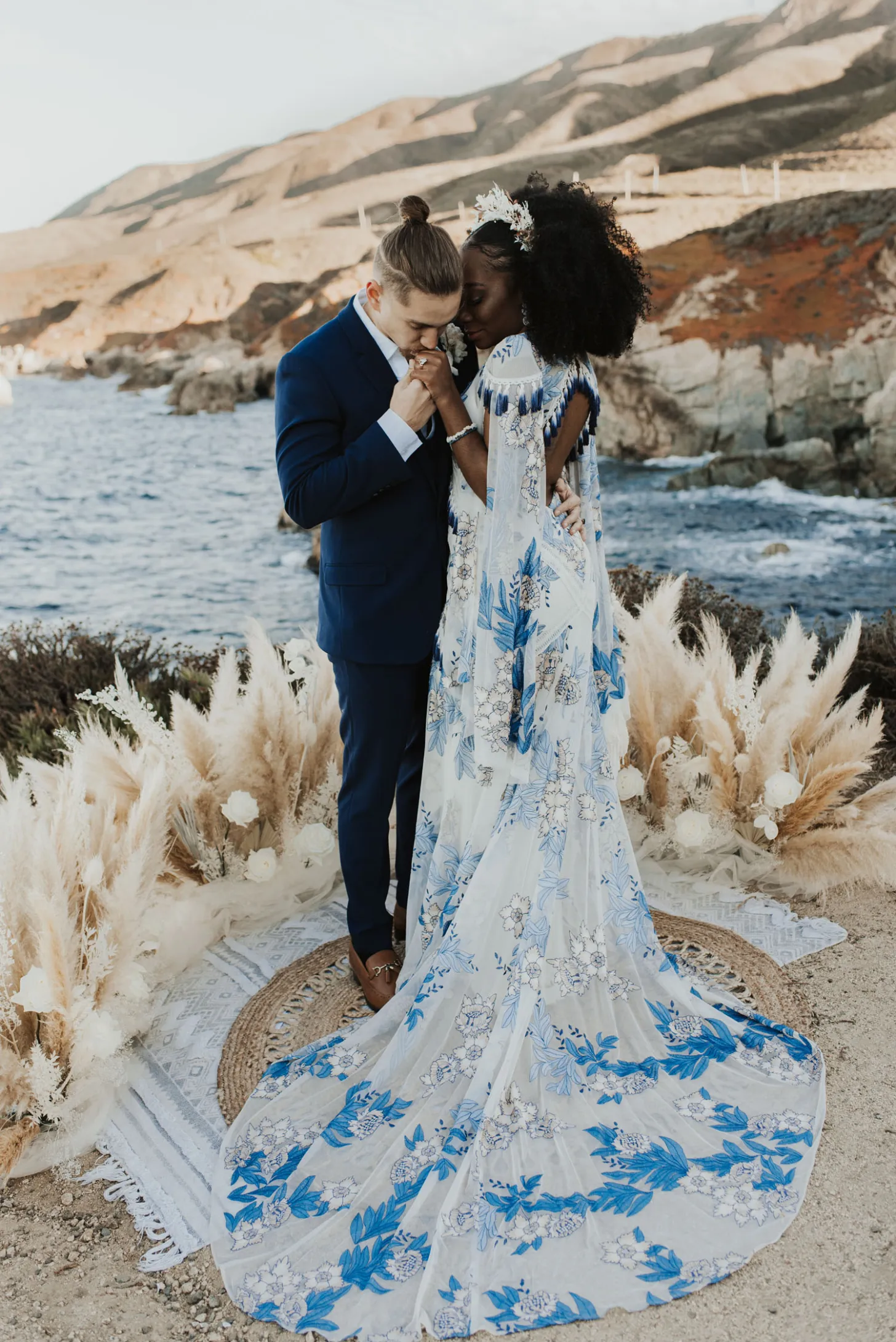
photo: Bruna Kitchen Photography, as seen in this boho coastal wedding planned on the cliffs of Big Sur
Whether you can (or would want to) plan a wedding in 3 months depends on the type of event you’re planning. If you’re planning a micro to small wedding without too many vendors, minimal decor, and not too many moving parts, then you could absolutely plan a wedding in 3 months.
However, even small weddings can require months of planning, so it’s best to avoid forcing yourself to plan a wedding in 3 months or less if you can avoid it. It’ll make all the steps in the wedding planning process that much easier and more enjoyable.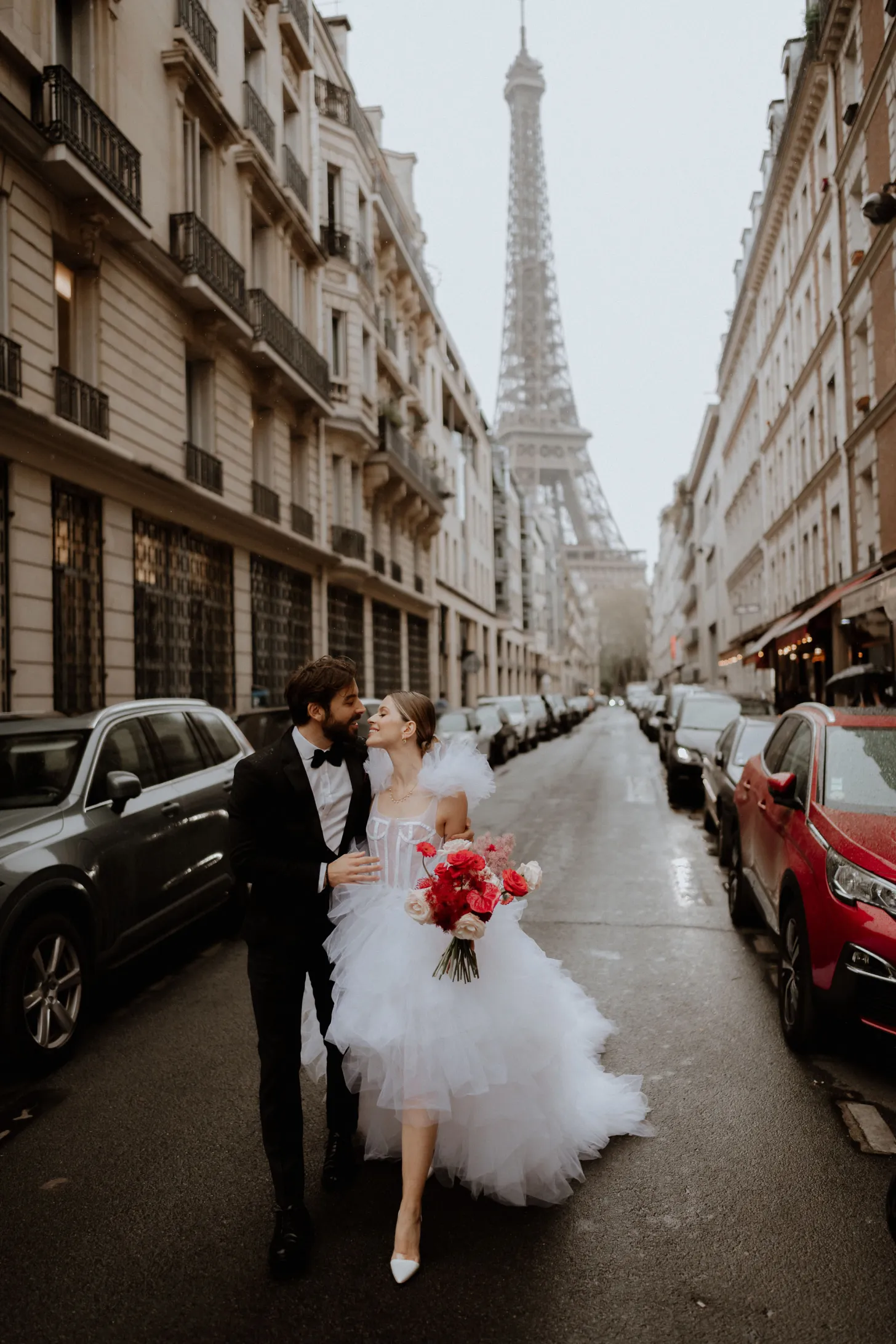
photo: Koko Photography, as seen in this romantic wedding inspo planned near the Eiffel Tower
It can be easy to plan your own wedding, but the answer here ultimately depends on your timeline and your personality type.
If you’re planning your large wedding within a short time window, planning your wedding would 100% be challenging. Meanwhile, if you’re planning a moderately sized affair over a year or longer, it can be easy to plan your own wedding and cover all of our checklist steps with ease.
Regarding personality type, you’ll want to think about whether or not you’re the type of person who can stick to strict deadlines, manage several tasks at once, and juggle outreach and communication with many vendors. Planning a wedding is essentially a project management job, and if you excel at that, it can be easy…but if not, it’s best to call in the professionals.
That said, just because you can plan your own wedding doesn’t necessarily mean you should. If you plan your own wedding, everything comes back to you, so if the flowers are late on the day of, or the caterer is running out of food, or anything goes wrong on the day of, it’s something you’ll need to deal with personally. However, if you work with a planner, all those issues will be addressed by them while you have the time of your life at your own wedding!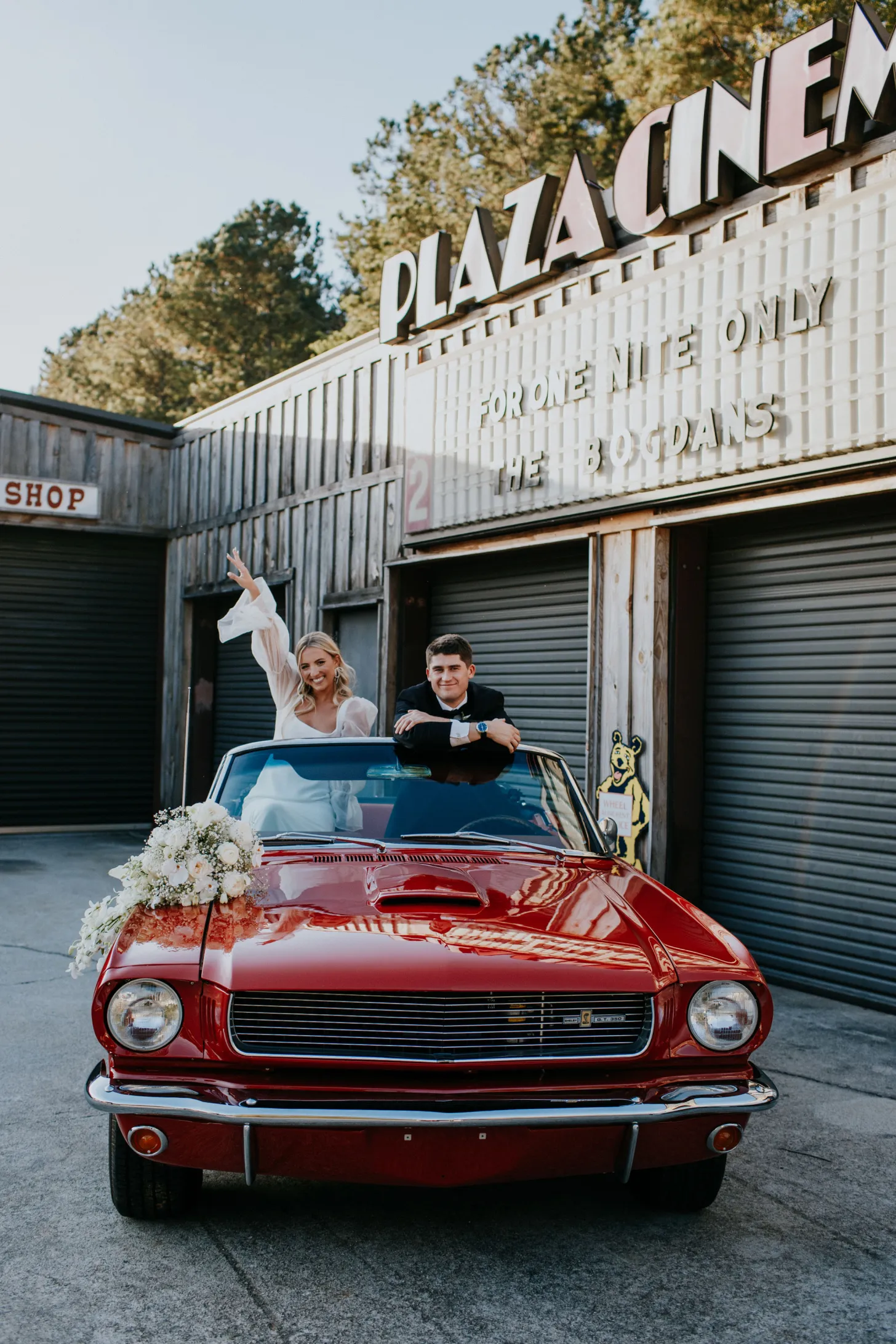
photo: Brooke Miller Photography, as seen in this backyard Georgia wedding planned with classic car touches
Generally speaking, we’re big advocates for hiring a wedding planner, but there are some exceptions where having one on your vendor team may not be necessary.
You may need a wedding planner in the following scenarios:
– To Work With Certain Vendors – Some wedding vendors only work with clients with a dedicated wedding planner (this is often the case with luxury wedding photographers and other top-tier vendors).
– For Large Events – The more moving parts in your wedding day, the more essential a wedding planner will be. They can help you find your other vendors and will communicate the timeline and plan for the day so you don’t have to.
– For a Low Stress Experience – Wedding planners can do a ton for you, including helping you manage your wedding budget, coordinating meetings with vendors, providing a recommended vendor list, helping gather loved ones for important moments on the big day (like family photos!), and so much more. Without them, you’d be planning and managing all that yourself, which is a lot to do before and during your wedding day.
photo: Atmosphere Photography, as seen in this Bridgerton-inspired wedding planned at a Portuguese palace
You may not need a wedding planner in the following scenarios:
– For Smaller Events – If you’re eloping, your photographer will provide a lot of the planning services, like creating your timeline and helping you identify and navigate the booking process for your location. They also typically have a list of preferred vendors they can share with you.
– If You Just Need Help The Day-Of – If you can plan everything before the wedding day and solely need someone to help with the day-of logistics and keep things running smoothly, a day-of coordinator is a great alternative.
Whether you hire a wedding planner to plan your wedding or not, we recommend having a dedicated planner notebook to keep track of everything as you go.
It’s easy to get overwhelmed in the whole process of how to plan a wedding. But we’re here to help. We’ve shared tons of weddings over the years (and provided plenty of advice to engaged couples along the way), so we know a thing or two about the planning process (and the wedding checklist steps you can’t forget!). 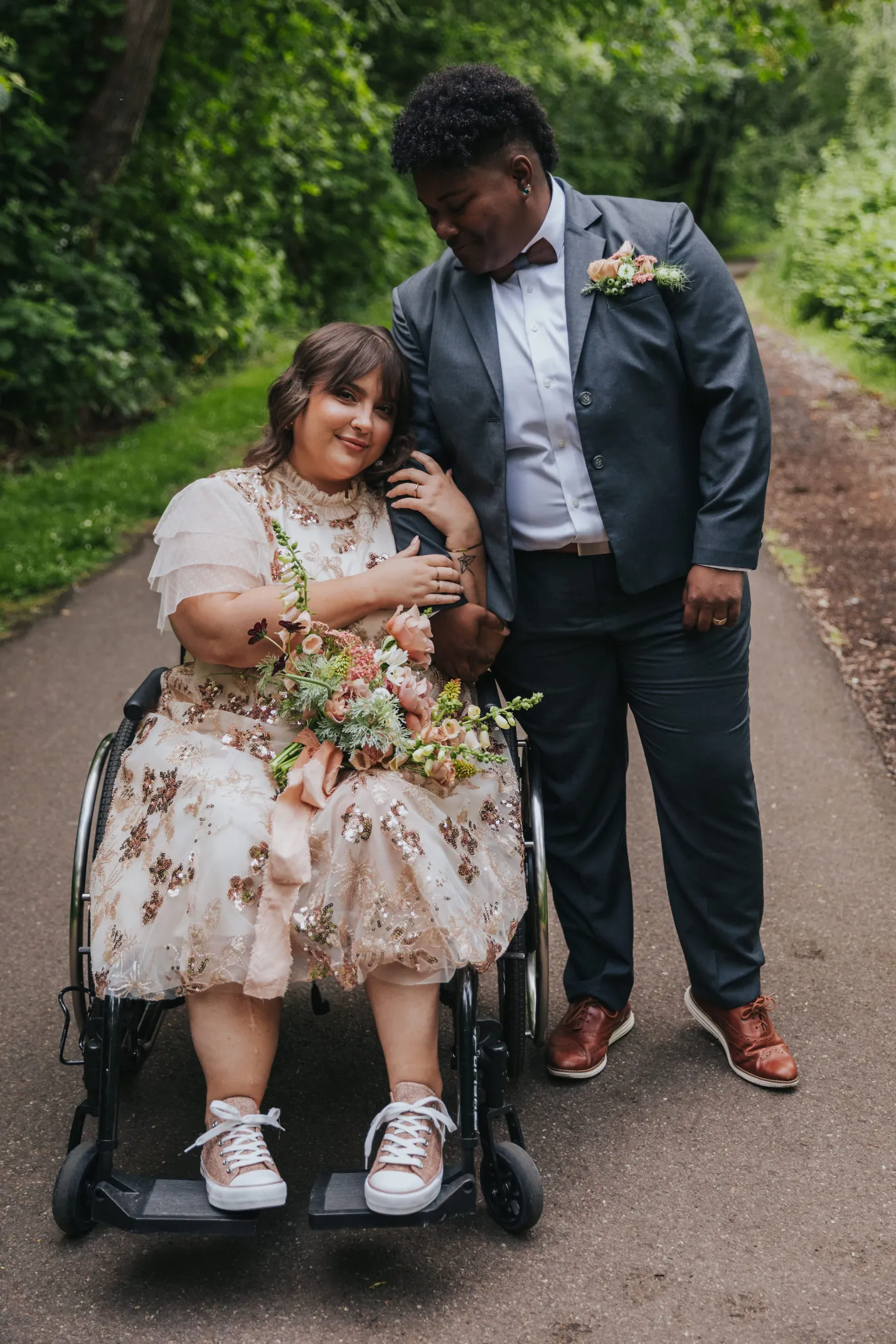
photo: Marissa Solini, as seen in this wedding, brings awareness to marriage equality issues for disabled individuals
Have any questions for us about how to plan a wedding? Let us know in the comments below! And don’t forget to tag us in your wedding photos @greenweddingshoes!